
Tax talk does not have to be scary. Here is what changed, what it means for you, and what you actually need to do about it.
If the words ‘Making Tax Digital’ bring you out in a cold sweat, you are not alone. Tax changes always sound bigger and scarier than they actually are, especially when the guidance is written for accountants, not home bakers selling celebration cakes from their kitchen.
This post covers the two things most relevant to home baking businesses right now: the trading allowance and the rollout of Making Tax Digital (MTD). Whether you are just starting out or have been selling for a couple of years, this will help you understand where you stand.
First Things First: The Trading Allowance
The trading allowance is one of the most useful, and most misunderstood, things in the UK tax system for small baking businesses.
Here is how it works:
• If your gross baking income (that means before any expenses) is £1,000 or less in a tax year, you do not owe any tax on it and you do not need to register for Self Assessment.
• If you earn over £1,000, you need to register with HMRC — but you can still use the £1,000 as a flat deduction instead of itemising your actual expenses.
• You cannot use both. It is one or the other. So if your actual ingredient costs, packaging and equipment spending come to more than £1,000, you are often better off claiming those instead.
For the 2025/26 tax year, the trading allowance stays at £1,000. That has not changed.
What will be changing in 2027/2028 is the way that you report any income over £1000. If income is over £1000 but less than £3000, then there will be a different way of reporting that rather than submitting a full self assessment.
If your business turnover will be £3000 or over, then a full self assessment will be required.
But… contrary to some rumours… you will still only be able to take less than £1000 without declaring it, the trading allowance is not going up to £3000.
One allowance, all activities
The trading allowance covers ALL of your trading income combined. If you sell bakes and also do custom cake toppers on Etsy, it is one shared £1,000 — not one per activity.
So Do You Need to Register for Self Assessment?
If your gross income from your baking business went over £1,000 at any point in the 2025/26 tax year, yes, you need to register for Self Assessment if you have not already. The deadline to register is 5 October 2026.
This is one of the biggest misunderstandings we see in the home baker community: people assume they need to register as soon as they hit £1000 turnover. But that’s not the case. The tax system works in tax years, we’ve just come to the end of the 2026/2026 tax year, and have just started the 2026/2027 one.
If you started your business after 6th April 2025 and before 5th April 2026, and your turnover was more than £1000, you have until 5th October to register with the HMRC, with a deadline of January 31st 2027 to submit you self assessment and pay any tax due.
Registering does not mean you will necessarily owe tax. Your personal allowance of £12,570 means most part-time bakers will not pay income tax on their baking income at all, especially if it sits alongside other income within that threshold. But you still need to declare it.
NOTE: You do not have to register your business within 3 months of starting it unless you are setting up as a limited company via Companies House. Most home bakers start off as sole traders, and so the deadline to register is the 5th October after the end of your first tax year.
ANOTHER NOTE: when you register as a sole trader you are submitting your records as yourself, not as your business. The business name you use on your self assessment forms is only used within those forms, and is not placed on a public list anywhere.
Making Tax Digital: What Is It and Does It Affect You?
This is the big one that has been all over the news. Making Tax Digital for Income Tax (usually written as MTD ) is HMRC’s move to modernise the tax system. Instead of filing one annual Self Assessment return, affected sole traders and landlords will submit quarterly digital updates throughout the year, followed by a final declaration.
The rollout is phased:
|
Date |
Who it applies to |
|
April 2026 (now) |
Sole traders and landlords with gross qualifying income over £50,000 |
|
April 2027 |
Qualifying income over £30,000 |
|
April 2028 |
Qualifying income over £20,000 |
One crucial detail: qualifying income is calculated on gross turnover — the total you charged customers, before expenses. So a baker bringing in £55,000 from wedding cakes would be in scope from April 2026, even if their profit is much lower after ingredients and equipment. And qualifying income is only from you business, not from any employment income you also have.
For most home bakers reading this, MTD is not something you need to act on right now. But the thresholds are coming down over the next two years, which means if you are building something with real growth ambitions, it is worth knowing about.
What does MTD actually involve?
If and when it applies to you, you will need to keep digital records of your income and expenses throughout the year, and submit four quarterly updates to HMRC using approved software (like QuickBooks, Xero or FreeAgent). At the end of the year, you submit a final declaration that replaces the traditional Self Assessment return. You are not paying tax four times, just reporting four times.
So What Should You Actually Do Right Now?
Here is the practical bit. Regardless of where your income sits, these are the habits that will serve you well:
• Track your income from day one of the tax year. Do not wait until January to work out what you made.
• Keep records of every business expense, even when you are under the trading allowance threshold. Ingredients, packaging, market fees, insurance, courses — all of it.
• If your gross income was over £1,000 for the 2025/2026 tax year, get yourself registered for Self Assessment by 5 October 2026.
• If you are approaching the £30,000 mark, start looking at MTD-compatible software now. Getting familiar with it before it becomes compulsory makes the transition much less stressful.
• If you are genuinely unsure, talk to an accountant. One conversation could save you time, money, and a lot of stress.
The shift toward digital record-keeping is coming for everyone eventually. The home bakers who treat their business like a business from the start — tracking income, understanding their numbers, staying on top of their obligations — will find this transition far easier than those who have been winging it.
In the Academy Membership, there will be much more information on this over the next year, including reviews of government recommended software that you can use.
The Bottom Line
The trading allowance will still be £1,000 for 2025/26 and beyond. What is changing is the method of reporting income between £1000 and £3000… but that won’t be until 2027/2028.
Another change is the beginning of the MTD rollout, which will gradually bring more sole traders into a new quarterly reporting system over the next few years.
Most home bakers are not yet in scope. But understanding how these rules work, and building good habits now, means you will not be scrambling when the thresholds drop.
Running a baking business is about so much more than the baking. The admin side matters too. And once you have a handle on it, it is genuinely not as scary as it looks.
The Bigger Picture
Want the full picture on running your baking business properly?
Inside the HBB Academy, we cover the business side of baking that nobody else talks about, including how to track your income, price your products, and all the aspects of finances and tax.
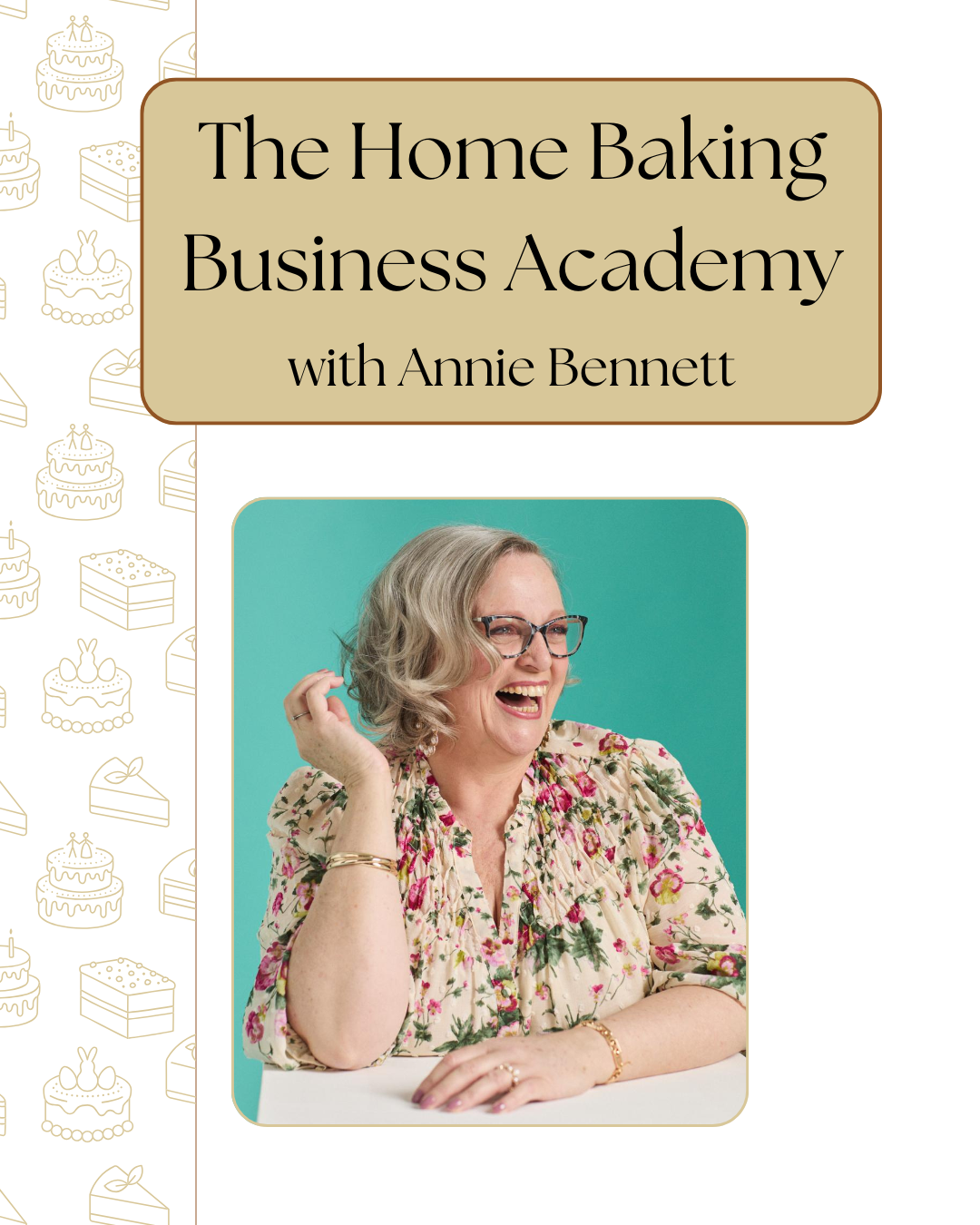

Annie ran her baking business, Leading Lady Cakes, for 10 years, following a career in primary teaching. She is now combining her teaching experience and her passion for baking to teach and support others who wish to set up for themselves.
She was a finalist in D’Licious Magazine’s Business Coach of The Year Award 2025
Find out more about the Home Baking Business Academy here;
