‘Ideal Client’ is a term often used in business, and until up to about five years ago, I had no idea if this term’s existence, let alone the concept behind it.
But in the last few years I have come to realise the importance of knowing who you are aiming your sales at.
‘Ideal Client’ is an easy concept to understand, and a vital one if you want success for your business.
What a new business needs to realise right at the beginning, is that you aren’t going to appeal to everybody. Take wedding cakes for an example. Now, not everyone will be looking to buy one, that’s a given.
But what I learned quite quickly in my wedding cake business, was that I wouldn’t ever appeal to every single engaged couple looking for a cake. Just think of the whole spectrum of people that might include… from young to old, low budget and high budget, urban weddings and rural weddings, small intimate weddings and large 300+ guest lists… the list goes on.

Now within all those difference specifics, there is a type of wedding cake that I loved to make. A style that I specialised in, and that I could show off in my advertising and socials. We’re talking classic three/four tiered white wedding cake with sugar flowers. And generally, the type of couples that love that style of cakes too are the ones that were drawn to what I did. They looked at my Instagram, Pinterest and Facebook posts and knew that the style of cake I made is what they were after.
Couples who might prefer a gothic style, perhaps with black and red skulls… or an urban city couple who love the latest contemporary concrete angular cake… just weren’t going to be interested in what I did. And that’s fine. I was happy for bakers who specialised in those styles to take those commissions, and leave me the ones I loved to do.
So, who will your products appeal to? A busy family with small children? An elderly couple? University students?
That’s not to say that only those customers will buy from you… but if you aim your messaging at one type, rather than try to appeal to everybody, your message will get across.
Let’s think scenario here. Let’s say you are wanting to buy some balloons for a 21st birthday, a display of helium balloons, and you ‘d prefer them to be delivered.
You look online… scroll through many balloon sellers… but you are going to choose the one that has the exact picture of what you are after… let’s say, a 21 balloon, surrounded by 7 or 8 glittery balloons, and they deliver.
They are selling exactly what you are wanting to buy, so you’re probably not going to search much further… They have totally solved your ‘problem’ and so you are very likely to buy from them.

Budget is another consideration for bakers too. What sort of price bracket are you putting yourself in? You need to know what your ideal client is willing to spend… and more importantly… you need to understand that those outside that bracket will consider you either too expensive, or too cheap. But just because they do… doesn’t mean you have priced yourself incorrectly.
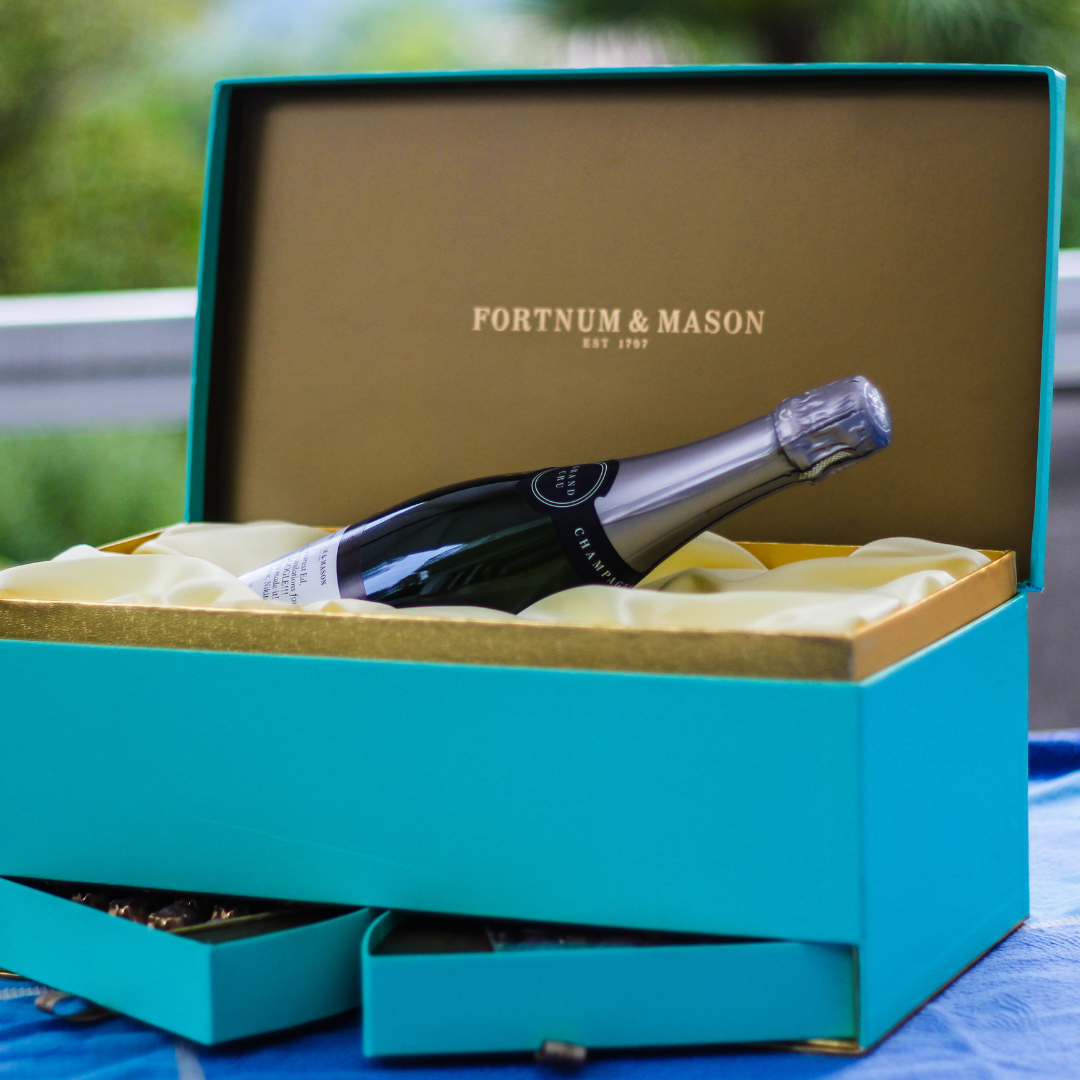
Time for a few analogies. I often talk about ‘Lidl and Harrods’. Or rather, for the purposes of comparison, perhaps we should say Lidl and Fortnum & Mason, as both these businesses sell the same products, but at wildly different ends of the same spectrum. And they both have loyal customers. Both businesses aim their messaging at totally different people. They advertise in totally different places… places that they know their ideal customers are. For Lidl, it’s TV… for F&M it’ll be probably high end magazines…. though I never see them, as I’m not their ideal customer!
I’ll be willing to bet that there has been many a shopper gone into London’s Fortnums and let out pained expletives of ‘how much???” on seeing the price tags of certain items. Now, do we think that Fortnums get worried that this means they have priced too high?? Of course not. They understand that that particular shopper is not their ideal customer, and will go elsewhere for what it is they want to buy. But that’s ok, as they have a loyal enough customer base who love what they sell and are prepared to buy at their prices.
I’ll be willing to bet that there has been many a shopper gone into London’s Fortnums and let out pained expletives of ‘how much???” on seeing the price tags of certain items. Now, do we think that Fortnums get worried that this means they have priced too high?? Of course not. They understand that that particular shopper is not their ideal customer, and will go elsewhere for what it is they want to buy. But that’s ok, as they have a loyal enough customer base who love what they sell and are prepared to buy at their prices.
Another way of looking at it, and an analogy I made just within the last week… is that I quite fancy owning a BMW. Very classy. If money were no object, I’d probably look to buy something in their range. But I don’t have the funds. So, when I was looking for a new car last year, I chose a ford Focus. Lovely car, does everything I want it to do and is a fabulous drive. But I’d be wasting my time standing in the BMW showroom telling the sales person that their cars really are too expensive and they should reduce their ridiculous prices.. or at least give me a discount, cos I’m me.
Though tempting… I have an inner mischievous streak… it would be utterly pointless. They know who their ideal customers are, and they know that there are plenty of people who will afford what they offer. They certainly don’t reduce their prices because the Ford showrooms down the road are cheaper.
And neither should you. I was told once that if all the quotes that you send out to customers are accepted, then you are probably not charging enough. So when I get a deafening silence or a ‘no thank you’ following sending out a quote, I see that as an indication that my prices are about right. I don’t give it another thought, and I certainly NEVER go back to the customer and offer to reduce my price.
So, rather than fret about the fact that Doris down the road is selling what you sell but for £5 cheaper… think about the quality of what you sell. Think about how you present it, and the type of customer that will love to buy what you are offering.
Think about the ‘solution’ that you offer to your customers…
people who buy treat boxes are people who either don’t bake themselves, or don’t have time to…
people who buy birthday cakes are people who haven’t the confidence to produce what their child has asked for….
people who buy wedding cakes are couples who don’t want the stress of making their own…
you get the picture?
Let your customers gain the confidence that you will provide exactly what they need. Let them get to know you via your social media, so that loyalty can build. Get known as your own ‘brand’, that specialises in what you do. Be innovative, be creative and be confident, and your customers will come, whatever price bracket you fit into.
Understand the know, like and trust factor.
People buy from people…and people buy from people that they like.
If you know your ideal client, and know enough about them to really engage with them, you are going to build the know, like and trust factor.
Once your audience find you, they will engage more if they feel they know you, for example through the social media content you post. If they like what you do and how you do it, then they will grow to like you…and eventually that will turn into trust. And once they trust you, they are far more likely to buy.
So, get to know who your ideal client is. Work out how to find them, and once you do, let them get to know you and your business. You’ll find that orders and bookings will come easier if you do.
In The Home Baking Business Academy, we talk A LOT about Ideal Clients, because nearly everything you decide in your business comes down to knowing who that Ideal Client is.
Join the Academy here: CLICK HERE
Annie ran her baking business, Leading Lady Cakes, for over 10 years, following a career in primary teaching. She is now combining her teaching experience and her passion for baking to teach and support others who wish to set up for themselves.
Find out more about The Home Baking Business Academy here: